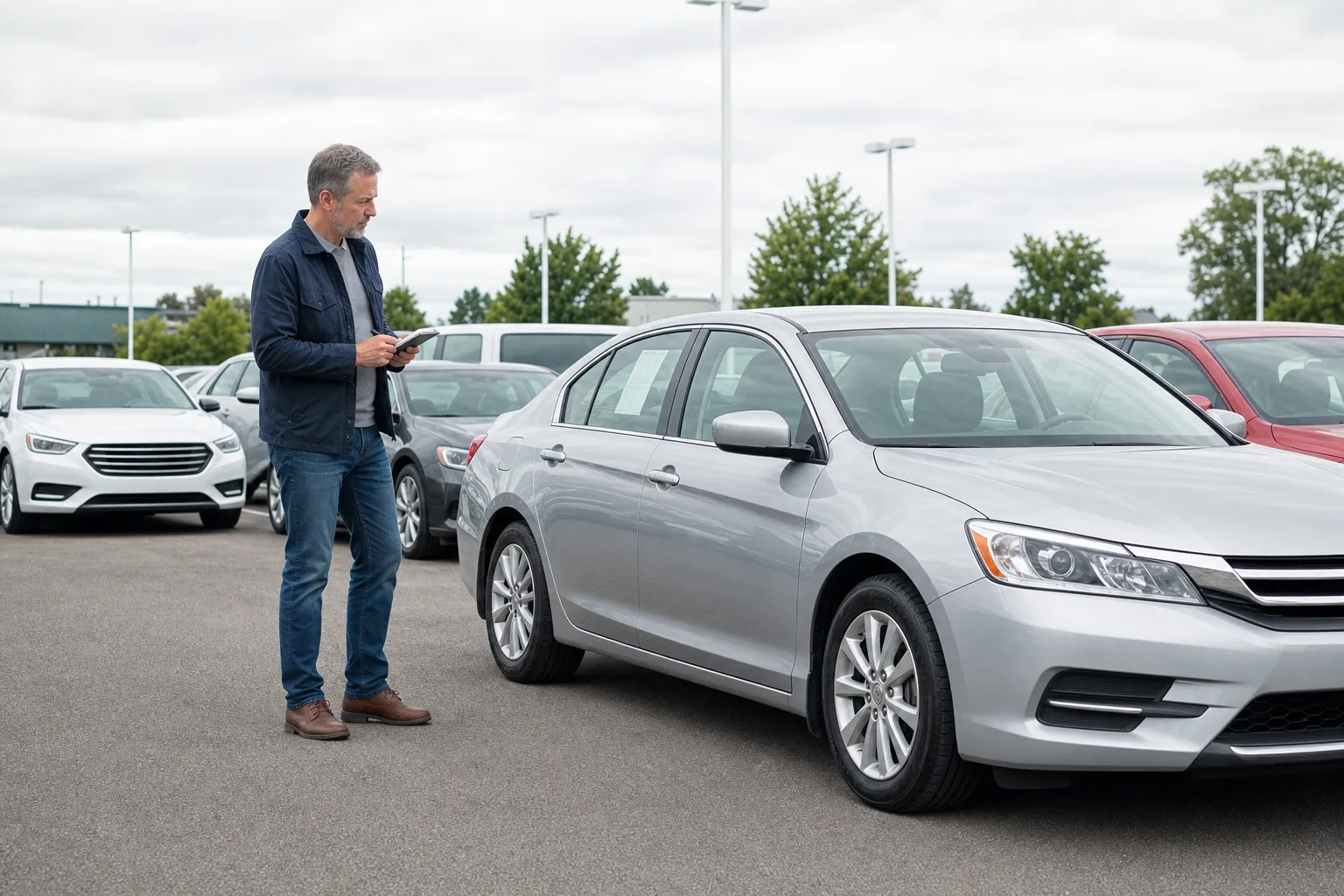
The best time to buy a used car is not a single day on the calendar. It is the moment when you have enough choices, enough information, and enough room to make a calm decision. A dealer's sales deadline may create an opening. A private seller's move may create one, too. Neither matters if the vehicle's condition, history, or final price does not hold up.
That is the useful way to think about timing. Use the calendar to create options, not pressure. Start with a budget and a short list, watch comparable vehicles for a few weeks when you can, and be ready to inspect a promising car before you become attached to it. The right car at a fair total price is usually more valuable than a supposed deal that leaves you guessing about repairs, financing, or fees.
Start with the kind of timing that actually helps
Timing helps most when it gives you more leverage to compare and walk away. If you are not under pressure to replace a vehicle immediately, you can look at more than one car, request records, schedule an inspection, and wait for a complete written offer. That changes the conversation. You are not trying to win a race to sign. You are deciding whether the vehicle earns your confidence.
Set a practical search window instead of picking one magic date. Give yourself time to compare similar year, mileage, trim, and condition. Notice which vehicles sit longer, which are repeatedly repriced, and which sellers answer questions clearly. A lower listing price can be meaningful, but it can also reflect worn tires, overdue service, accident history, a branded title, or a seller who is trying to move past an expensive problem.
The same is true when a dealer mentions an end-of-month or end-of-year deadline. Those periods can be worth shopping because a dealer may be more open to completing a deal. They are not a reason to skip your process. Ask for the vehicle's full out-the-door price, make sure every fee and product is explained, and keep enough time for a proper inspection.
Shop when you can compare, not when you feel cornered
A used-car buyer has more leverage with two or three credible choices than with one vehicle they feel they must have. This does not mean you need a huge spreadsheet or months of searching. It means comparing enough vehicles to recognize what is ordinary for the age, mileage, equipment, and condition you want.
Before you visit, save the listing, VIN, advertised price, mileage, and any claimed maintenance or accident information. Then use the same questions for every vehicle. The site's used-car buying questions guide can help you focus on title status, history, records, condition, inspection access, and the total price rather than getting pulled into a vague sales conversation.
Keep your transportation needs in view, too. If your current car is becoming unreliable or you need a vehicle for work or family obligations, waiting indefinitely for a better market headline may cost you more in repairs, missed time, or a rushed purchase later. The better answer may be to shop now with a clear ceiling, a broader acceptable vehicle list, and a willingness to leave any deal that does not make sense.

Use the calendar as a conversation tool, not a promise
Some buyers prefer to shop near the end of the month, a quarter, or a year because sellers may have business reasons to close a deal. That can be useful, especially when the vehicle has been available for a while and you already know how it compares with similar options. It may give you a better chance to ask for a complete offer or a cleaner explanation of what is included.
But timing does not remove the normal risks of buying used. A car can be available on the last day of the year because it is a solid vehicle waiting for the right buyer. It can also be available because the records are thin, the tires are worn, the vehicle has not been inspected, or the numbers become less attractive once taxes, registration, dealer fees, financing, and optional products are added.
Do not negotiate against yourself because a seller says another buyer is coming. Ask what needs to be decided today, then decide whether you have the facts to decide. A fair seller can let you see a written offer, review the title and history, and arrange a reasonable inspection. If the answer is no, the calendar is not your problem. The lack of clarity is.
Look for selection when you need a specific vehicle
The best time to buy can depend on how narrow your requirements are. If you need a particular body style, seating layout, fuel type, trim, towing capacity, or safety feature, selection may be more valuable than chasing the lowest possible price. You want enough comparable vehicles to tell whether a specific example is truly well priced.
Trade-ins can create fresh used inventory throughout the year. A dealer may receive more vehicles when new-car shoppers are active, while private listings can change with moves, job changes, growing families, or owners replacing a vehicle. Instead of assuming one season will solve everything, set alerts for the models you are willing to consider and check the listings often enough to understand what is available in your area.
Be careful with a vehicle that appears perfect because it has unusually low mileage. Low mileage can be a benefit, but it does not erase age, time sitting, tire age, maintenance gaps, or hidden damage. Use the used-car mileage guide to put the odometer in context before treating it as the deciding factor.

Separate the vehicle price from the rest of the deal
A promising time to buy is also a good time to make the numbers easier to see. Ask for the out-the-door price in writing before you let the conversation become only about a monthly payment. That total should make clear the vehicle price, taxes, title and registration charges, dealer fees, and any products added to the sale.
If you are financing, compare the annual percentage rate, loan term, down payment, amount financed, payment, and total of payments. The Consumer Financial Protection Bureau's auto loan resources explain why those numbers belong together. A lower payment can simply mean a longer loan or more interest paid over time. It is not automatically a better deal.
Keep your trade-in separate as long as possible. Know what you would accept for your current vehicle, then look at how that value changes the complete purchase. When price, financing, trade-in, warranty, and optional products are blended into one conversation, it becomes much harder to tell which number is carrying the deal.
If a dealer offer already feels complicated, do not wait for the calendar to give you confidence. The Car Negotiation Service gives you a chance to talk through the written terms, identify what needs a clearer answer, and prepare for the next conversation before you sign.
Do not wait on the checks that protect you
A good opportunity is not so fragile that it cannot survive basic homework. Before making an offer, compare the VIN on the vehicle with the title and paperwork, ask for service records, inspect the car in daylight, test drive it long enough to notice real behavior, and check open recalls. The National Highway Traffic Safety Administration offers a free VIN recall lookup, which can show whether a safety recall still needs a remedy.
Use a vehicle history report as a starting point, not a guarantee. The U.S. Department of Justice describes how the National Motor Vehicle Title Information System helps consumers find approved providers for title, brand, and certain history information. Read the report alongside the vehicle, records, and seller's explanation. A clean-looking report does not replace a close inspection.
Then arrange an independent pre-purchase inspection. The Federal Trade Commission's used-car buying guidance advises buyers to have an independent mechanic inspect the vehicle before purchase. That inspection is especially important when timing is making a car look more appealing than it did at first. It can reveal wear, leaks, warning codes, corrosion, collision repairs, or maintenance that will soon become your cost.
Use the site's used-car inspection checklist before the visit, then bring your notes to the inspection shop. You do not need to diagnose the car yourself. You need enough detail to ask the right questions and understand whether the asking price still makes sense.

Know when buying now is the better decision
Waiting is useful when you can wait, the current vehicles are not right, or the pricing and terms are not clear. Buying now can be the better decision when you have found a vehicle that fits your needs, the title and history make sense, the condition matches the price, financing is affordable, and an independent inspection gives you a clear picture of what comes next.
Do not let a possible future discount make you ignore a sound vehicle in front of you. A lower price later does not help if the remaining choices have worse condition, less useful equipment, higher financing costs, or unexpected repair needs. The same goes for a deal that expires today. Urgency is not value. A good purchase is one you can explain calmly after you leave the lot.
When you are unsure, write down what would need to be true for you to move forward: a clean title, records through a certain date, a satisfactory inspection, a repair allowance, a lower out-the-door total, or more time to compare financing. That list turns a vague feeling into a clear next step.
Bring the real offer to someone who understands the process
Bill Flower brings more than 33 years of dealership experience to the details that can get blurred during a used-car purchase. He can help you organize the listing, records, inspection findings, trade-in, financing terms, and dealer paperwork before you commit. The goal is not to chase a perfect deal. It is to make sure the car and the offer earn a yes.
If you have a promising vehicle or a written quote in front of you, the Used Car Buying Service and a free consultation give you a practical place to discuss the next move. A short conversation can help you decide whether to negotiate, request more information, get a repair estimate, compare another vehicle, or walk away.
Before You Commit
Have a used car or dealer offer in front of you?
Bring the listing, inspection notes, records, and written numbers to a free consultation with Bill.
Frequently asked questions
What is the best month to buy a used car?
There is no month that makes every used-car purchase a bargain. Shopping near the end of a month, quarter, or year can sometimes create a more open conversation, but the vehicle still needs a clear history, a fair out-the-door price, and a satisfactory independent inspection.
Is it better to buy a used car at the end of the month?
It can be useful if a dealer is motivated to complete a sale, but it should not make you rush. Ask for the full written price, compare the vehicle with alternatives, and keep financing, trade-in value, and optional products separate while you evaluate the offer.
Should I wait for used-car prices to drop?
Waiting can make sense when you have time and the current choices do not meet your needs. It is less helpful when you have found a well-documented vehicle that fits your budget and has passed an independent inspection. A small future price change can be outweighed by maintenance, financing, or availability differences.
What should I do before making an offer on a used car?
Review the title and history, inspect the vehicle, test drive it, check recalls by VIN, get an independent pre-purchase inspection, and ask for the complete out-the-door price. Then compare the findings with the asking price and your expected ownership costs.
Related posts
Used Car Buying
What Is Good Mileage for a Used Car?
See how mileage fits into maintenance, condition, records, and the real cost of ownership.
Read the guide →
Used Car Buying
Used Car Inspection Checklist: What to Check First
Use a practical inspection sequence to spot the details worth checking before you commit.
Read the guide →
Used Car Buying
Questions to Ask When Buying a Used Car
Bring better questions to the seller, dealer, test drive, and inspection.
Read the guide →