A lot of shoppers start with one question: what is good mileage for a used car? It is the right instinct, because mileage affects wear, future maintenance, and resale value. The mistake is treating the odometer like a final score. A well-kept car with more miles can be the safer buy than a low-mileage car that sat unused, missed routine service, or has a rough history.
Think of mileage as the opening question, then build your answer from the vehicle's age, maintenance records, condition, history, and inspection. This guide will help you make a more useful comparison when two cars seem similar on a listing but are very different in real life.
Quick answer: what is good mileage for a used car?
As a practical starting point, look for about 10,000 to 15,000 miles per year of age. A five-year-old car with 50,000 to 75,000 miles is in that general range. A lower or higher number is not automatically better or worse. It tells you where to look next.
- Lower-than-average mileage is worth understanding. Long periods parked can create their own problems with tires, batteries, fluids, seals, and brakes.
- Higher-than-average mileage can be reasonable when the vehicle has consistent service records, a clean inspection, and a price that reflects the miles.
- When two similar vehicles are close in price, choose the one with the clearer history and fewer immediate needs, not simply the lower odometer reading.
Before you visit, use this used car inspection checklist to keep the rest of the vehicle in view. Mileage matters, but it cannot tell you whether the tires, brakes, maintenance, title history, or current condition make sense for the asking price.
Start with average yearly mileage, then look closer
For a quick first pass, divide the odometer reading by the model year. A vehicle that has been driven at a fairly steady rate each year is easier to compare with others of the same age. That does not make it good or bad. It simply gives you a starting point.
A five-year-old vehicle with 50,000 miles has averaged about 10,000 miles per year. Another five-year-old vehicle with 85,000 miles has averaged about 17,000. The second vehicle may have had a long commute, highway use, family travel, or a work role. Those miles are not automatically harsh miles. Steady highway driving can be easier on some components than repeated short trips, cold starts, potholes, and stop-and-go traffic.
Use the number to ask better questions. Why is this vehicle above or below the typical range? Does the answer match the records and condition? A seller who can show regular maintenance, explain where the vehicle was driven, and let the facts do the talking gives you something useful to evaluate.
Good mileage depends on the whole vehicle
There is no magic odometer number that makes every used car a smart purchase. Age matters. Maintenance matters. The vehicle's reputation for durability matters. So does the way it feels and behaves on a test drive.
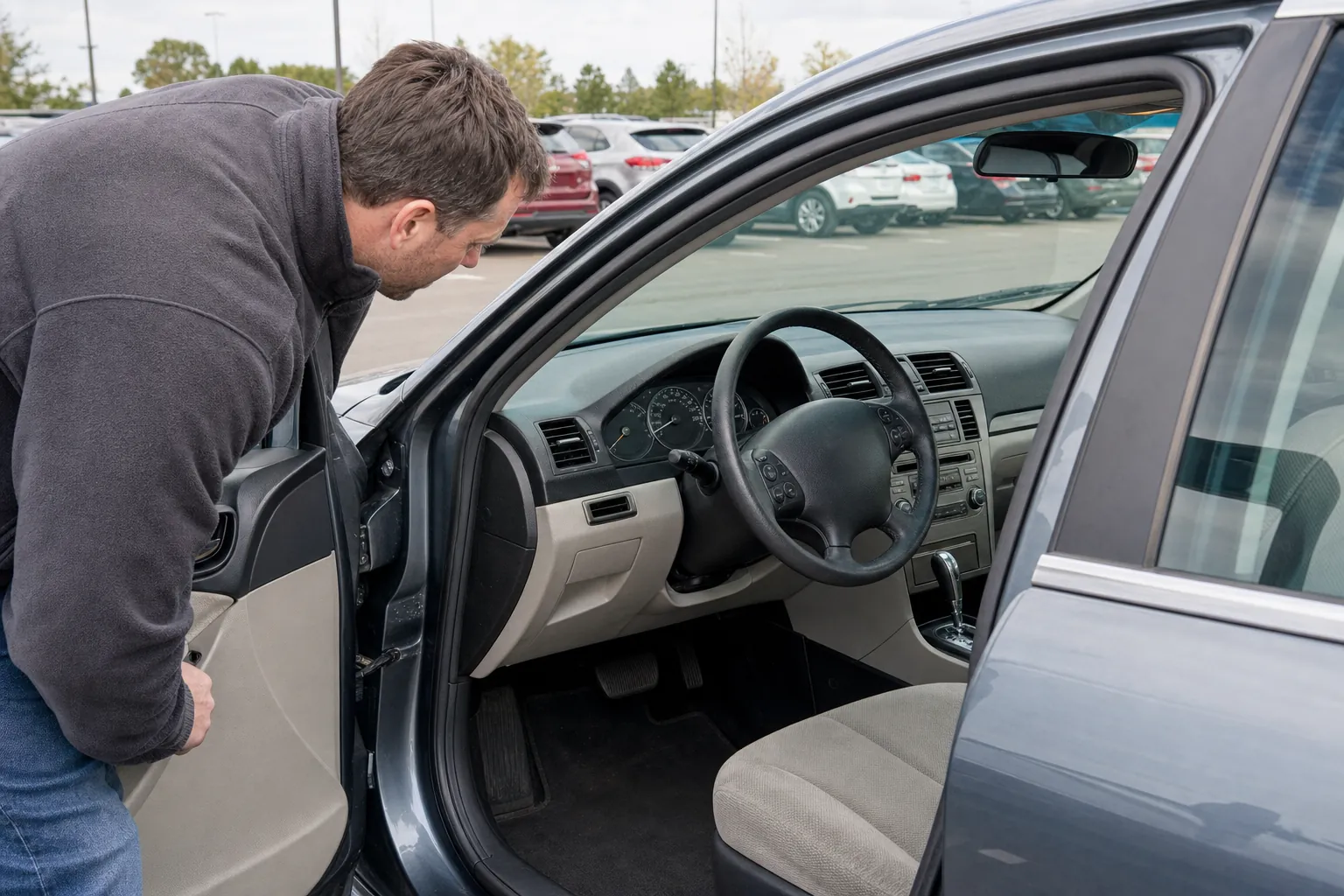
A lower-mileage vehicle can carry its own risks. Cars that spend long periods parked may develop weak batteries, aged tires, dried seals, stale fluids, brake issues, or rodent damage. A very low reading is worth understanding, not simply celebrating. Check whether the interior, pedals, steering wheel, and driver's seat look consistent with the mileage. If the wear tells a different story than the odometer, slow down and investigate.
At the other end, a vehicle with 100,000 miles or more can still be a reasonable purchase when the price recognizes that mileage and the history supports it. Major services, tires, brakes, suspension work, and replacement parts can be valuable evidence when they were done properly and documented. What matters is not whether the vehicle is perfect. No used vehicle is. What matters is whether you understand the condition you are buying and have room in your budget for what comes next.
Service records can matter more than the number on the odometer
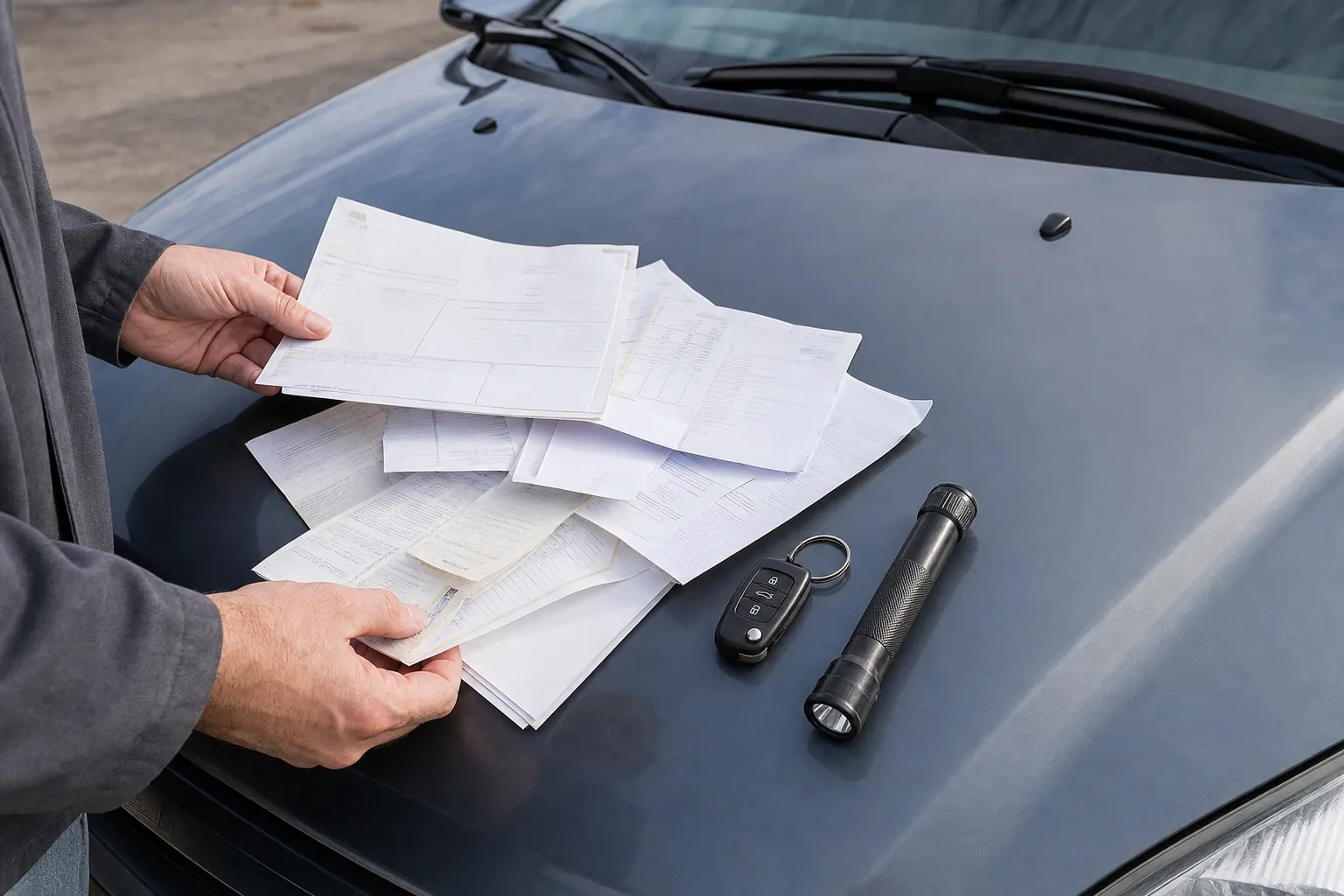
When two vehicles are close in price, the one with a clear maintenance trail often deserves more attention. Receipts and service records show whether the owner stayed on top of oil changes, fluids, tires, brakes, batteries, scheduled services, and repairs. They can also reveal whether a recurring problem was addressed or merely patched over.
Ask for records before you become emotionally attached to the car. You are looking for a pattern, not a perfect binder. Consistent service from a dealer, independent shop, or careful owner is a better sign than long gaps followed by a single recent repair. The paperwork should make sense for the vehicle's age and mileage.
Pay special attention to work that may be coming due. Timing belts on vehicles that use them, transmission service, coolant service, spark plugs, tires, brakes, and suspension components can change the real cost of a used vehicle quickly. A lower asking price is not much of a bargain if it is followed by several urgent repairs.
A history report can help you match the seller's story against reported title, damage, or ownership information. It is useful, but it is not an inspection and it is not a guarantee. The U.S. Department of Justice explains that the National Motor Vehicle Title Information System provides title, brand, and certain history information through approved consumer providers. Use that information as one layer in your decision, not the whole decision.
Watch for mileage that does not match the condition
The vehicle should tell a consistent story. A few honest scratches on a high-mileage daily driver are normal. Freshly detailed paint, a spotless engine bay, or a new set of floor mats are not proof of anything by themselves. Look past presentation and focus on wear that is harder to hide.
- Check tire age and tread. Four matching, healthy tires are a better sign than four mismatched tires with uneven wear.
- Look at the brake pedal, driver's seat, steering wheel, and door controls. Extreme wear on a supposedly low-mileage vehicle deserves a question.
- Listen for noises on a cold start and during a test drive. Pay attention to steering, braking, shifting, vibration, and warning lights.
- Look for fluid leaks, uneven panel gaps, corrosion, water damage, or signs that the vehicle has been repainted without a clear explanation.
- Compare the vehicle identification number with the title and vehicle history documents.
None of these signs proves a problem on its own. Together, they help you decide whether to continue, negotiate, get more information, or walk away. The Federal Trade Commission's used-car buying guidance also recommends reviewing the dealer's Buyers Guide and getting an independent inspection before purchase.
A pre-purchase inspection is where the decision gets real
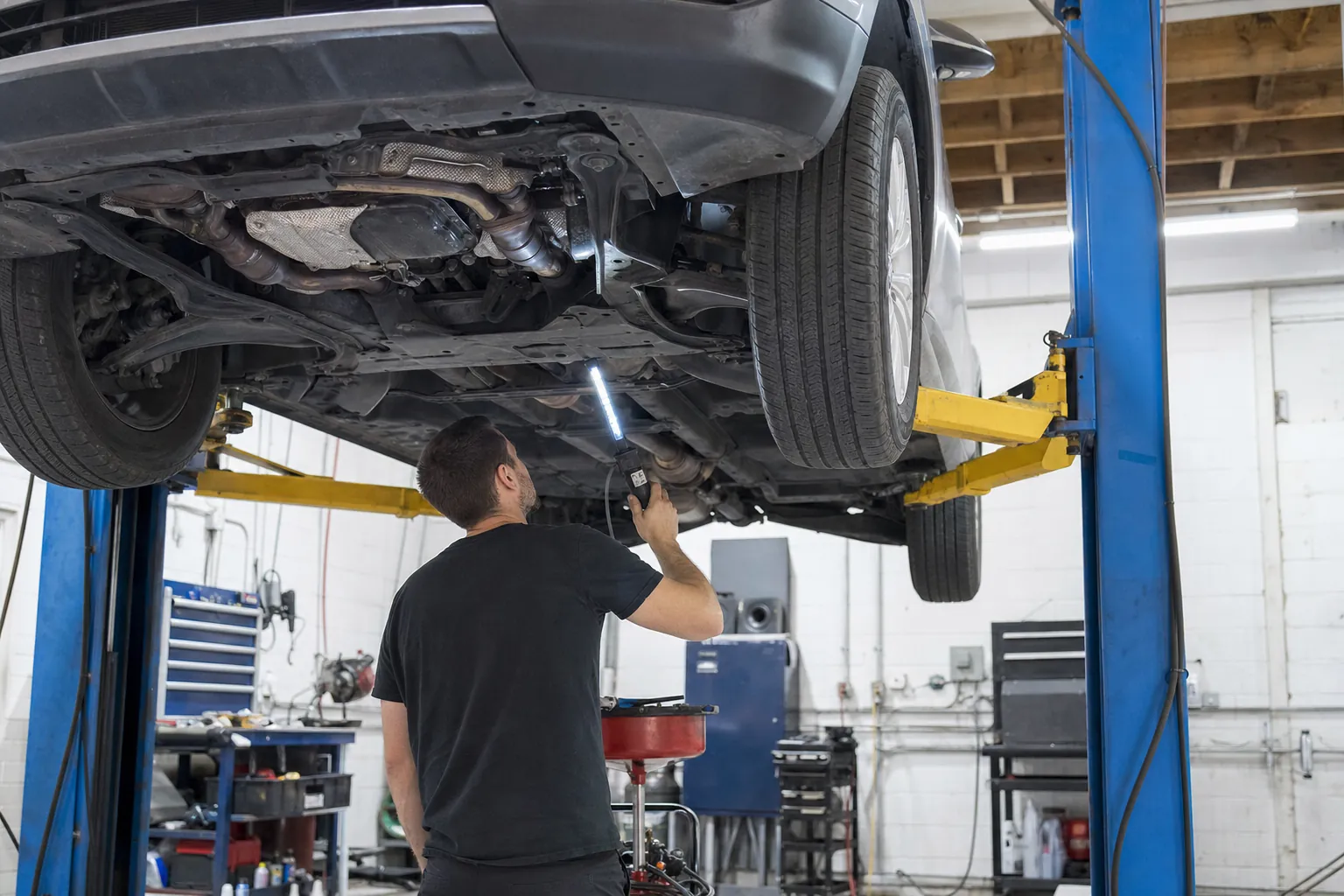
An independent pre-purchase inspection is one of the best ways to turn a listing into a real buying decision. A qualified mechanic can look for leaks, accident repairs, mechanical wear, tire and brake condition, codes that may not be obvious during a drive, and work that will be needed soon. It will not make an older vehicle new, but it can help you understand what you are agreeing to own.
Ask the shop for a written summary and use it to compare the vehicle with the asking price. A seller who will not allow a reasonable independent inspection is giving you useful information too. You do not need to make a deal more complicated than it needs to be, but you should not skip the step that could expose a major expense.
Do not let a low-mileage listing rush your decision
Low mileage can create urgency. Shoppers see a rare-looking number and worry that someone else will buy the vehicle first. That pressure can make you accept gaps that would bother you on any other car. Take the same disciplined steps: review records, check the history, drive it in real conditions, and inspect it.
Consider the total ownership picture. Insurance, financing, taxes, registration, repairs, tires, fuel, and the cost of missed work or transportation if the car needs attention are all part of the purchase. A vehicle that stretches the budget can become expensive even if the odometer looks attractive.
This is where a clear plan helps. The Buying Guide gives you a simple place to start, while Bill's approach is built around talking through the questions that can be hard to sort out on your own. The goal is not to find a mythical flawless car. It is to avoid surprises and make a decision you can explain to yourself after the excitement fades.
Check recalls and the VIN before you buy
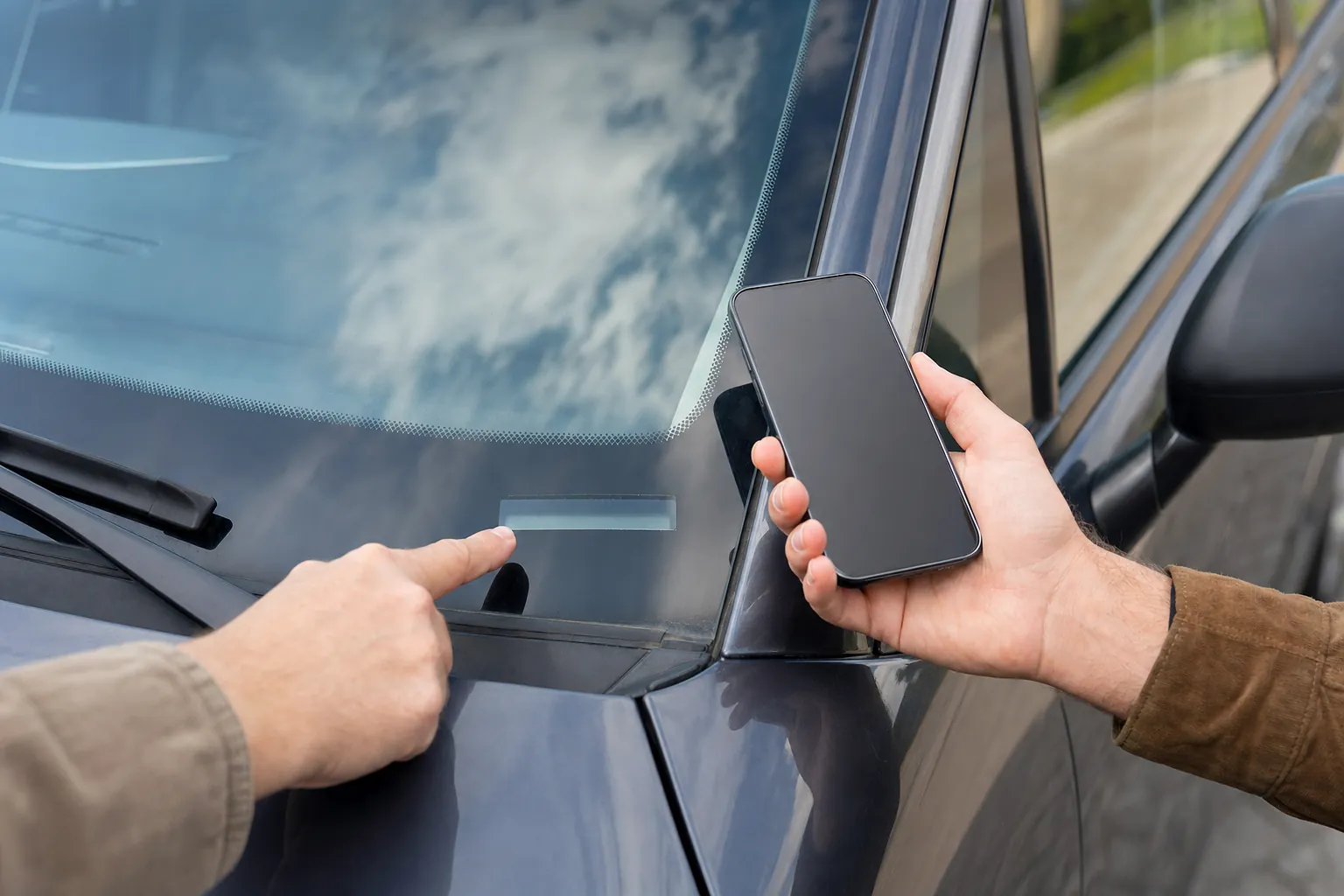
Use the vehicle identification number to check open safety recalls. The National Highway Traffic Safety Administration offers a free VIN recall lookup for vehicles covered by its database. An open recall does not automatically end the deal, but it is something you should understand before signing paperwork. Ask whether the remedy is available and whether the repair can be completed promptly.
Use the VIN consistently. It should match the title, the vehicle, the seller's documents, and the reports you review. A mismatch or an explanation that keeps changing is a reason to pause. Buying a used car is not the time to reward confusion with a deposit.
Compare two listings using the same questions
When you are down to two vehicles, do not compare mileage alone. Put the same facts next to each other: model year, mileage, asking price, service records, number of keys, tire condition, inspection findings, history report, recalls, and the repairs likely to be needed in the next year. This simple side-by-side view makes a cheaper listing easier to judge.
For example, a vehicle with 20,000 fewer miles may still be the weaker option if it needs tires and brakes immediately, has no useful maintenance history, and comes with a vague answer about past damage. A higher-mileage vehicle with fresh tires, complete records, a clean inspection, and an honest price may leave you with fewer surprises. You are not trying to score points for the lowest number. You are deciding which vehicle gives you the clearer ownership picture.
Ask the seller one final question: if this were your family member buying it, what would you want them to know before they signed? The answer will not replace records or an inspection, but the way a seller responds can tell you whether you are getting straight information.
When a higher-mileage used car can be the better choice
A higher-mileage vehicle can be a smart choice when it has been maintained, inspected, and priced honestly. It may give you a better trim level, more room in your budget, or a more transparent ownership history than a lower-mileage alternative. The right comparison is not 60,000 miles versus 90,000 miles. It is the likely condition, known needs, and true cost of each specific vehicle.
Give yourself permission to walk away from a deal that does not add up. There will always be another listing. The cost of patience is usually much smaller than the cost of buying a vehicle with a hidden problem because the mileage sounded reassuring.
Talk It Through With Bill
Have a used vehicle in mind?
Bill Flower brings more than 33 years of dealership experience to the questions that come up before you buy. Bring the listing, mileage, price, and concerns to a free consultation.
Frequently asked questions
Is 100,000 miles too much for a used car?
Not automatically. A vehicle with 100,000 well-documented miles, good inspection results, and a price that reflects its remaining life can be a better choice than a lower-mileage vehicle with neglect or hidden damage.
What mileage is best for a used car?
There is no single best number. Look for mileage that fits the vehicle's age, then judge its maintenance records, condition, repair needs, history report, and inspection results.
Should I buy a used car with high mileage?
A high-mileage vehicle can be a sensible purchase when it has been cared for and is priced fairly. It deserves a stronger paper trail and an independent inspection before you buy.
What should I check before buying a used car?
Check the vehicle history, service records, recall status, title information, tires, warning lights, test drive behavior, and an independent pre-purchase inspection. Compare the findings with the asking price before you make an offer.
Related posts
Used Car Buying
Questions to Ask When Buying a Used Car
Bring better questions to the seller, dealer, test drive, and inspection.
Read the guide →