The vehicle price.
Start with the exact vehicle, its condition, equipment, and the asking price, then identify what information supports the number.
Bill Flower, The Car Coach
Get a clearer view of the vehicle offer before you agree to the price, payment, trade-in, or add-ons.

Know what you are agreeing to
Negotiating a car is rarely just one conversation about the sticker price. The offer can change through trade-in value, financing terms, dealer-installed products, warranties, fees, and the way each number is presented. A payment that looks manageable may stretch the loan longer than expected. A strong trade-in figure may be balanced out elsewhere. The only useful way to judge the deal is to look at the whole picture.
Bill Flower brings more than 33 years of automotive dealership experience to that conversation. He gives you a knowledgeable person to call when the vehicle is right but the offer still feels unclear, rushed, or more complicated than it should be. The goal is not to turn every purchase into a fight. It is to help you understand the deal, ask better questions, and negotiate from a more informed position.
What to bring into the conversation
Start with the exact vehicle, its condition, equipment, and the asking price, then identify what information supports the number.
Ask for the complete cost, including taxes, registration, documentation fees, add-ons, and anything else that changes the amount you pay.
Look at the interest rate, loan length, down payment, and total paid over time instead of letting the monthly payment make the decision by itself.
Keep the value of your current vehicle clear in the deal, so you can see how it affects the final numbers rather than losing track of it in the conversation.
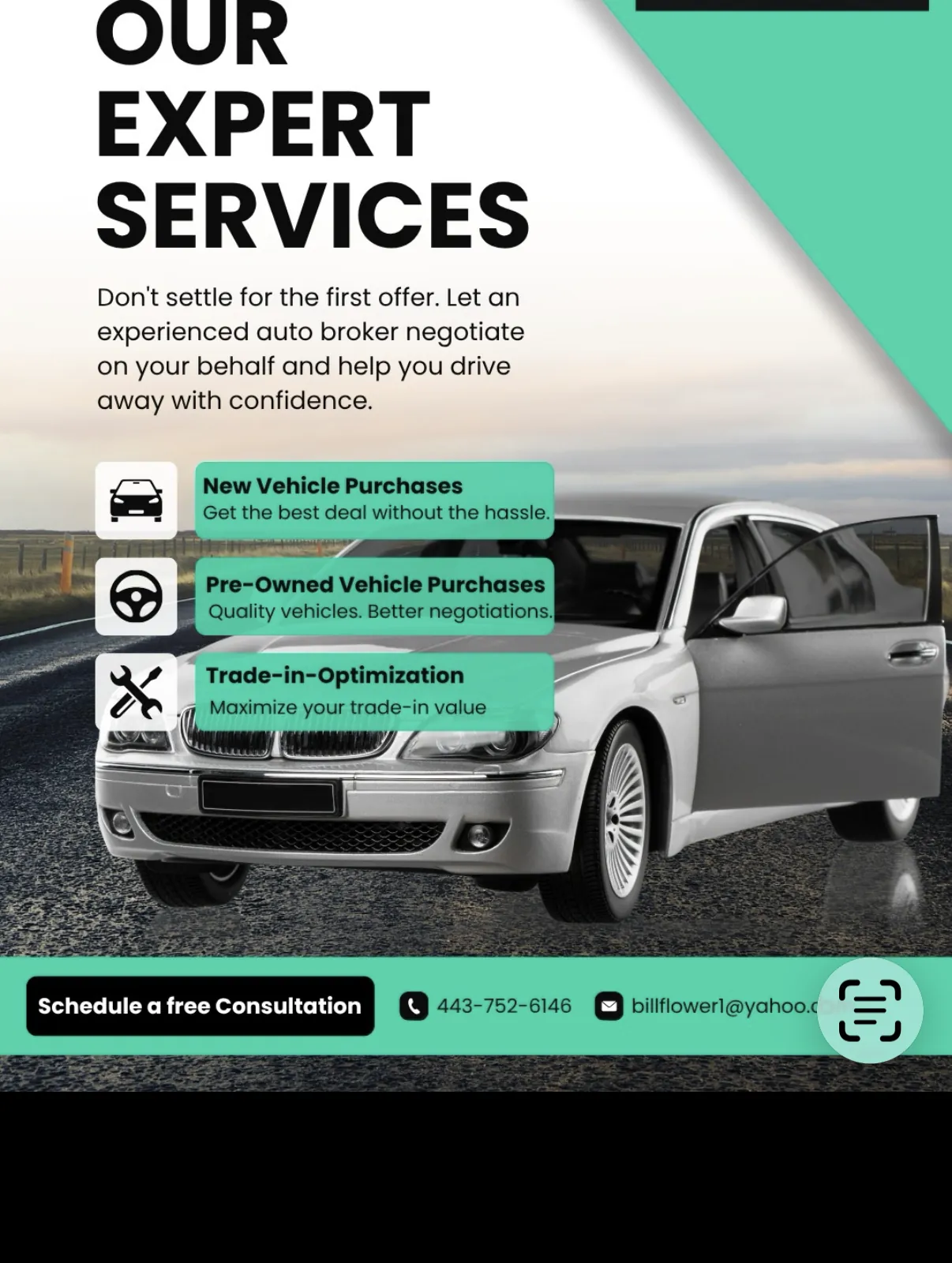
New vehicles, used vehicles, and trade-ins
On a new vehicle, availability, incentives, financing, trade-in value, accessories, and protection products can all influence the final offer. On a used vehicle, the negotiation has another layer: condition, mileage, service records, vehicle history, inspection access, and likely repair needs. The right approach depends on the vehicle and the facts behind it.
Bill helps you organize the information you already have and identify what is still missing. That can mean comparing two offers, reviewing a dealer worksheet, separating the purchase price from the financing discussion, or deciding whether a used-car concern needs more investigation before you continue.
It also helps to keep each decision in its own lane. Decide whether the vehicle is right for you before letting a payment conversation decide the vehicle. Understand the purchase terms before blending in the trade-in. Review optional products one by one, with enough time to decide whether they solve a real need. Breaking the offer into clear pieces makes it easier to see where a question, a counteroffer, or a pause is warranted.
For used vehicles, a history report and an independent inspection can be especially valuable. Bill can help you decide which questions to raise with the dealer, while you keep control of the purchase and the final decision. You can also review the questions to ask before buying a used car before the next conversation.
Common negotiation moments
It is reasonable to ask why an offer changed, what each charge covers, and whether a product is optional. When a deal starts with one number and ends with another, slow down and ask for the complete worksheet. Bill can help you sort through what each line means and which questions should be answered before you move forward.
Monthly payment is only one part of the decision. A lower payment can come from a longer term, more money down, or a higher total finance charge. Reviewing the term, rate, amount financed, and total cost together gives you a more useful basis for negotiation than payment alone.
A vehicle may be in demand, but urgency should not replace clarity. If the details are incomplete, the used-car history is uncertain, or the offer is different from what you expected, it is appropriate to pause. Bill gives you a direct point of contact while you decide what to ask for, what to compare, and whether the deal still makes sense.
How the conversation works
Send the listing, offer, payment quote, trade-in details, or dealer paperwork. You do not need perfect information to start a useful conversation.
Bill helps you separate the important terms from the noise, so you can see what needs a better explanation or another comparison.
You may negotiate, ask for revised terms, get an inspection, compare another vehicle, or walk away. The decision remains yours, with a clearer understanding of the trade-offs.
Experienced perspective
Buying a vehicle is a major financial decision, and the best negotiation starts with clarity about what matters to you. Your budget, driving needs, trade-in, timing, and comfort with the vehicle all matter. A negotiation strategy that ignores those priorities is not much help, even if it produces a lower number on one line of the worksheet.
Bill's experience is valuable because he understands how dealership conversations can unfold and can help you focus on the details that determine whether the deal is actually right for you. He is not there to push you into a car or promise an outcome that the facts cannot support. He is there to help you prepare, question, compare, and decide with a more complete picture.
That perspective is especially useful when several parts of the transaction are moving at once. A fair purchase price does not make up for an unsuitable loan, a weak trade-in, or an overlooked used-car issue. Looking at the complete offer helps you avoid putting all of your attention on the one number designed to get you to say yes.
Frequently asked questions
Bill can help you prepare for the negotiation by reviewing the vehicle, the dealer offer, the numbers in the deal, and the questions that need clear answers. His dealership experience helps you recognize which details deserve attention before you agree to anything.
Reach out as soon as you have a vehicle, listing, worksheet, or dealer quote in front of you. Getting perspective before a deposit or signature gives you more room to ask questions, compare options, and decide what you are comfortable accepting.
Yes. Used vehicle negotiations involve the price and payment, but also mileage, condition, service records, history reports, inspection access, and repairs that may be coming. Those details can affect whether an offer is truly worth pursuing.
Send the listing, vehicle identification number if you have it, quoted price, payment terms, trade-in information, and any dealer paperwork or screenshots. A few real details are enough to begin a useful conversation.
Before you agree
Start with a free consultation and get a clearer view of the deal in front of you.